
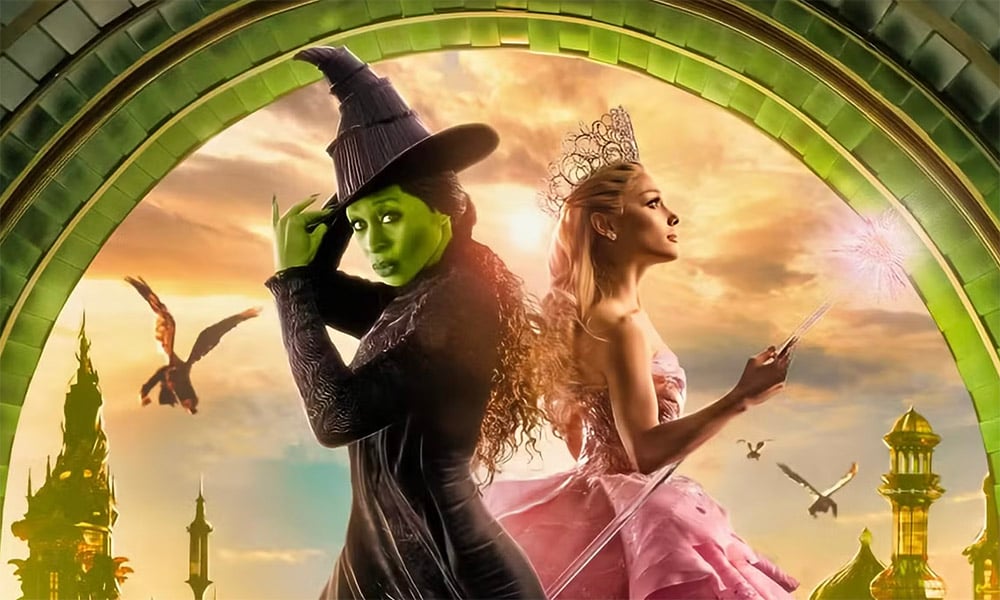
The world of Wicked is more than a reimagined fairy tale—it’s a mirror reflecting the emotional struggles so many of us face. These mental health lessons from Wicked reveal how survival mode, anxiety, burnout, and identity wounds shape the choices we make. When we look closely, each character becomes a symbolic reminder of what it means to be misunderstood, overwhelmed, or expected to be “good” at all times.
💚 Elphaba: Activist Burnout & Survival Mode
Elphaba dedicates herself to saving the Animals, speaking truth to power, and refusing to stay silent in the face of injustice. Although her intentions are deeply compassionate, she is vilified, isolated, and ultimately punished for doing what’s right. Over time, she shifts from advocacy burnout into pure survival mode. Her “Wicked Witch” identity becomes armor—protecting the vulnerable core she believes the world won’t accept.
Takeaway: When the world tells you you’re “too much,” sometimes your strength becomes mistaken for danger. You’re not wrong for caring deeply—burnout is a sign you’ve been carrying too much for too long.

✨ Glinda: Anxiety, Perfectionism & Cognitive Dissonance
Glinda is adored for being “Glinda the Good,” but inside, she is terrified of letting people down. Though she performs optimism effortlessly, she hides the anxiety of maintaining a flawless persona. In Part 2, her internal conflict deepens—she begins dissociating from the truth that she works for an oppressor, because acknowledging it would shatter her self-image.
Takeaway: Perfectionism often masks fear. When you build your identity on being “the good one,” every flaw feels catastrophic.

🪄 The Wizard: Gaslighting & Inferiority Complex
In Part 1, the Wizard weaponizes gaslighting—convincing the citizens of Oz that Elphaba is the threat. His power depends on creating a shared enemy. Later, we see why: he is painfully insecure, terrified of being exposed as ordinary. To protect his image, he scapegoats vulnerable communities and hides behind theatrics.
Takeaway: People who feel small often project blame onto others. When someone relies on manipulation to maintain authority, it’s not power—it’s fear.

❤️🩹 Nessarose: Narcissistic Traits & “Hurt People Hurt People”
Nessarose grows up feeling rejected, pitied, and controlled. Instead of processing that pain, she channels it into control and entitlement. She believes she is owed love as compensation for her suffering. In the story, this wounded mindset ultimately shapes her into the “Wicked Witch of the East.”
Takeaway: People who feel chronically powerless sometimes try to reclaim control in unhealthy ways. Compassion doesn’t mean tolerating harm—but understanding the wound behind the behavior adds clarity.

💚✨ Glinda & Elphaba: Healing Through Friendship
Although they begin in mutual “Loathing,” their friendship becomes a transformative force. When they start sharing their insecurities, they see one another clearly for the first time. Glinda offers Elphaba acceptance; Elphaba offers Glinda integrity. Their connection doesn’t erase their differences—yet it changes them both For Good.
Takeaway: Healing often happens when someone finally sees you as you are—not as you’re expected to be.
🌿 Are You Navigating These Experiences?
Whether you’re dealing with burnout, people-pleasing, perfectionism, identity confusion, or emotional overwhelm, you don’t have to go through it alone.
ShareWell has a FREE peer support group for you.
Join a Support Group: sharewellnow.com/online-support-groups
Join an Expert Coaching Group: https://sharewellnow.com/expert-coaching-groups
Leave a Reply