
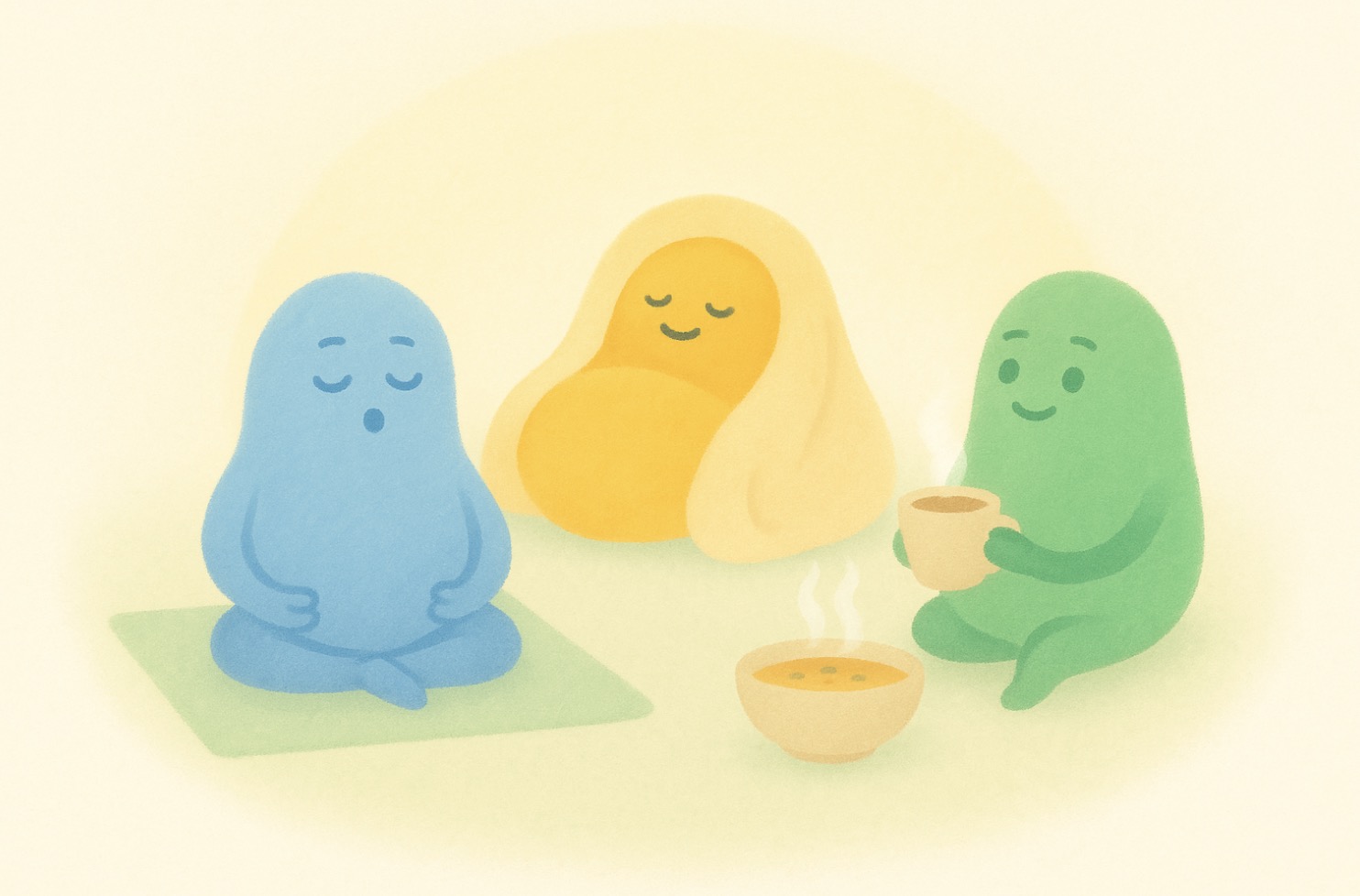
Mental health doesn’t live only in your thoughts. Your body and brain are deeply connected, which means the way you eat, move, and rest directly affects how you feel. Anxiety, stress, and even depression can be amplified by inflammation and nervous system imbalance. Try some tricks to calm inflammation and your nervous system.
Simple, science-backed practices can restore balance. You don’t have to overhaul your entire life to feel relief—sometimes just one shift can help your body and mind settle into a calmer state. Below are five effective tools to try.
1. Mediterranean Diet
The Mediterranean diet is filled with foods that reduce inflammation and support brain health. Staples include fatty fish rich in omega-3s, dark leafy greens, berries, olive oil, nuts, and anti-inflammatory spices like turmeric.
These foods also nourish the gut, often called the body’s “second brain,” because of its powerful impact on mood and cognition. Eating this way isn’t about perfection—it’s about small, consistent swaps. For example, use olive oil instead of processed oils, or add a handful of berries to breakfast. Over time, these simple choices make a noticeable difference in mental resilience.

2. Walk for 20 Minutes
Movement is one of the most underrated ways to regulate your nervous system. A 20-minute walk improves circulation, lowers cortisol (the stress hormone), and boosts endorphins. Together, these changes help your body shift out of fight-or-flight mode and back into rest-and-digest.
You don’t need to run or push yourself to exhaustion. Even a casual walk outdoors, especially in nature, can calm racing thoughts and lift your mood.

3. Sauna Sessions
Spending time in a sauna reduces inflammation while creating deep relaxation. Sitting in the heat for 15–20 minutes a few times per week activates the parasympathetic nervous system—the one responsible for rest and recovery.
The warmth loosens tension, lowers stress hormones, and leaves behind a sense of calm that lingers long after the session. For people dealing with chronic stress, saunas can be a simple, restorative way to reset.

4. Cold Plunge
Cold plunges might feel intimidating, but they provide powerful benefits. Short bursts of cold water exposure boost dopamine, build resilience, and teach your body how to stay calm under stress.
Even one to three minutes, a few times per week, can sharpen focus and stabilize mood. Experts often recommend aiming for around 11 minutes of cold exposure per week. Pairing cold plunges with sauna sessions—known as contrast therapy—can leave you feeling both grounded and energized.

5. Chamomile Tea
For centuries, chamomile has been used as a natural relaxant. Its calming effects come from apigenin, a compound that binds to receptors in the brain to reduce anxiety and promote better sleep.
A cup in the afternoon can ease tension, while one or two cups before bed make it easier to fall asleep and stay asleep. This simple ritual gently signals your nervous system to slow down.

6. Cyclic Sighing
Breathing practices are powerful tools for resetting your nervous system in minutes. One of the most effective is cyclic sighing. Here’s how it works: inhale through the nose, take a short second inhale, then exhale slowly and fully.
Just one to two minutes can create a quick reset. Practiced regularly for about five minutes a day, it can reduce stress hormones and strengthen long-term nervous system regulation. It’s a tool you can use anywhere—before a big meeting, after a tough conversation, or when anxiety spikes.

Final Thoughts
You don’t need to try all of these practices at once. Start with one, experiment, and notice how your body responds. Your nervous system is always listening, and even small adjustments can create big shifts in how you feel—physically and mentally.
Join a Support Group: sharewellnow.com/online-support-groups
Join an Expert Coaching Group: https://sharewellnow.com/expert-coaching-groups
Leave a Reply