
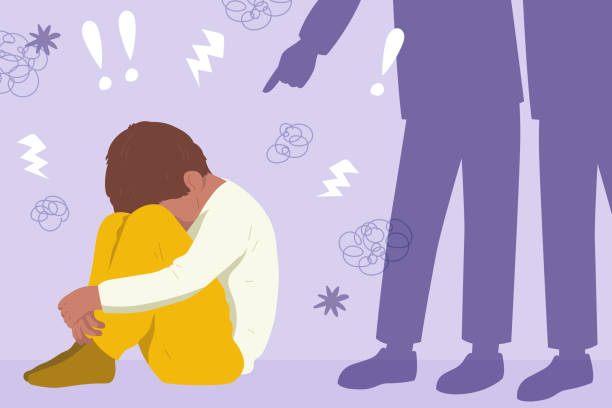
Signs of Emotional Abuse
Emotional abuse can be subtle at first, but its impact is deep and long-lasting. Unlike the occasional argument or tension that happens in all relationships, emotional abuse is a pattern of control, dismissal, and manipulation. If you’ve ever felt like you’re “too sensitive” or that you’re losing trust in your own reality, these may be signs of something more harmful than conflict.
Here are five powerful red flags to watch for:
1. You’re Always “Too Sensitive”
One of the clearest signs of emotional abuse is when your feelings are constantly dismissed. If you cry, get frustrated, or express hurt, you’re told you’re “overreacting.” Instead of accountability, you’re met with gaslighting: your pain becomes the problem, not their behavior. Over time, this makes you second-guess your right to even have feelings at all, training you to silence yourself before they can dismiss you.
2. You Walk on Eggshells
Healthy relationships allow for honesty and mistakes. Abusive ones feel like tiptoeing through a minefield. You start rehearsing conversations in your head, carefully editing what you say, and adjusting your body language just to avoid their irritation. It’s exhausting, and it chips away at your sense of safety. When you live in constant anticipation of someone’s moods, you stop living freely and start surviving.
3. They Flip the Script
When you finally gather the courage to speak up, the narrative suddenly changes: you are the selfish one, the ungrateful one, the problem. Abusers are skilled at projection and blame shifting. Even when their behavior is clearly harmful, they twist the story until you are apologizing for being hurt. This reversal keeps you trapped, because it convinces you that standing up for yourself only makes things worse.
4. Love Feels Like a Rollercoaster
In the early days, the highs may feel intoxicating. You are showered with affection, praise, or attention, moments that remind you of why you stay. But those peaks are followed by deep valleys of neglect, hostility, or coldness. The cycle of “love bombing” and withdrawal creates a chemical dependency in your brain, where you crave the highs so much you endure the lows. It’s not love. It’s control dressed up as passion.
5. You Doubt Your Reality
Perhaps the most insidious effect of emotional abuse is the way it distorts your perception of reality. They deny things they said, insist events didn’t happen, or mock your memory. Over time, you start questioning not just the relationship, but yourself, your judgment, your sanity, your truth. This self-doubt is the abuser’s most powerful weapon, because if you cannot trust your own reality, you are more likely to trust theirs.
Closing Thoughts
Healing starts with clarity. Recognizing these patterns does not mean you are weak — it means you are waking up to what is real. You are not “too sensitive,” and you are not alone.
If these signs resonate, know that safe spaces exist where you can share openly and begin rebuilding trust in yourself. One option: join a free, peer-led support group at ShareWell. Sometimes the first step toward freedom is simply being heard by others who truly get it.
Read more about emotional abuse support groups: https://amysharewell-nxueq.wpcomstaging.com/2024/05/07/the-importance-of-emotional-abuse-support-groups/
Join a Support Group: sharewellnow.com/online-support-groups
Join an Expert Coaching Group: https://sharewellnow.com/expert-coaching-groups
Leave a Reply