
Introduction
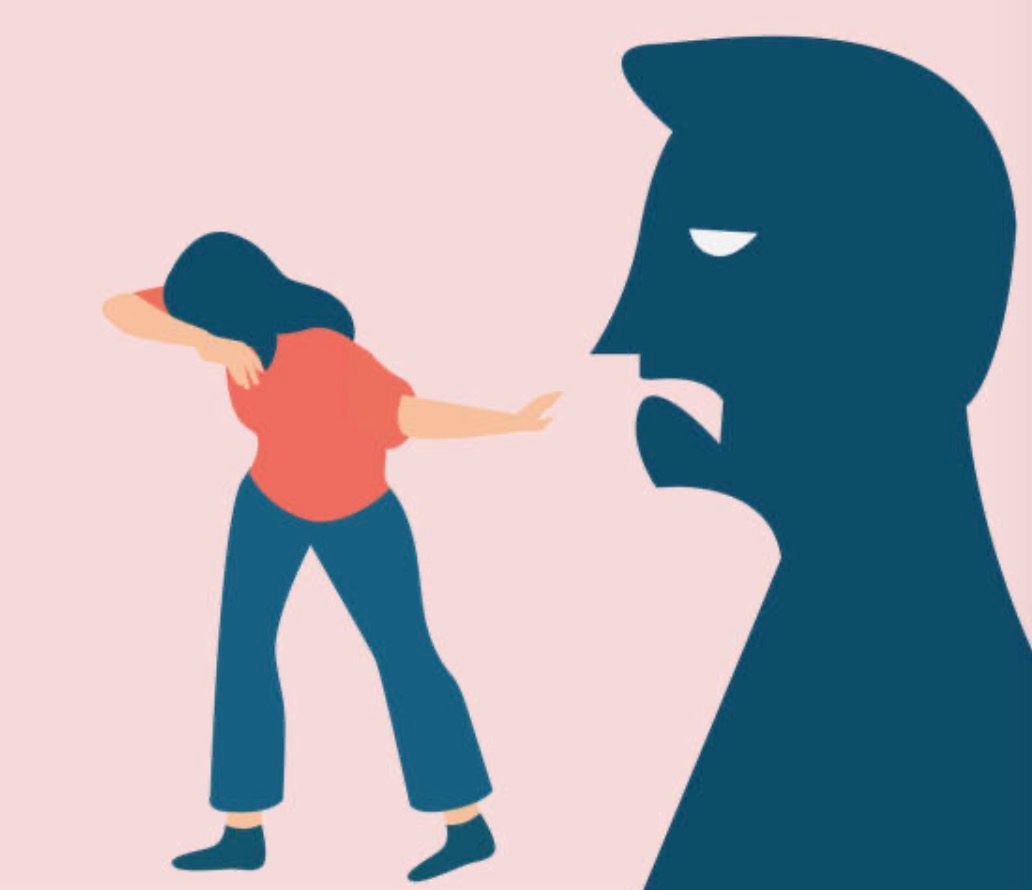
Emotional abuse is a form of psychological violence that can occur in any type of relationship. It uses words, behaviors, or actions to manipulate, control, or belittle another person’s emotions and self-worth. Unlike physical abuse, it leaves no visible scars, which makes it harder to recognize.
The effects of emotional abuse, however, can be just as damaging. Survivors may face depression, anxiety, or long-term emotional distress. Seeking help is essential to healing and protecting mental health.
Many survivors feel isolated or ashamed, which can make reaching out difficult. But support is available. In this article, we outline key resources for survivors of emotional abuse, including hotlines, support groups, therapy, self-help tools, and legal options.
Definition of Emotional Abuse
Emotional abuse includes behaviors meant to undermine another person’s independence or sense of self-worth. It often occurs in intimate relationships, but it can also appear in parent-child relationships or at work.
Examples include:
- Verbal attacks such as insults or name-calling
- Isolation from friends or family
- Manipulation through guilt
- Gaslighting, or making someone doubt their reality
- Public humiliation
- Withholding affection as punishment
What sets emotional abuse apart is intent. The abuser deliberately tries to make the victim feel bad about themselves.
Importance of Seeking Help for Survivors
Emotional abuse can cause long-lasting harm. Survivors often struggle with anxiety, depression, low self-esteem, trust issues, or post-traumatic stress disorder (PTSD). Many also battle self-blame and difficulty managing emotions.
These effects rarely fade on their own. Healing requires support and intervention. Survivors should know they are not alone, and that there are resources for survivors of emotional abusere to guide them through recovery.
Hotline and Support Groups
National Domestic Violence Hotline
The National Domestic Violence Hotline is available 24/7. Trained advocates provide crisis intervention, safety planning, local referrals, and shelter information. Survivors can call 1-800-799-SAFE (7233) or 1-800-787-3224 (TTY). Online chat is also available at thehotline.org.
Local Support Groups
Support groups give survivors a safe space to share experiences without judgment. They reduce isolation and help survivors connect with others who understand their struggles. Some groups focus on domestic violence, while others cover broader issues like anxiety or depression.
ShareWell offers virtual peer support groups on topics like narcissistic abuse and emotional recovery. To explore sessions, visit sharewellnow.com/topic/npd_&_emotional_abuse.
Benefits of joining a support group:
- Reduced isolation
- Learning coping skills from peers
- Empowerment through shared stories
- A sense of community
- Lowered anxiety and depression through social connection
If you feel hesitant, try observing a session first to see if it’s a good fit.
Therapy and Counseling Services
Types of Therapy
Professional therapy can play a crucial role in healing. Three effective approaches for survivors include:
- Cognitive Behavioral Therapy (CBT): Helps identify and change negative thought patterns linked to depression, anxiety, or PTSD.
- Dialectical Behavior Therapy (DBT): Teaches emotional regulation and mindfulness. Especially useful for survivors dealing with self-harm or suicidal thoughts.
- Eye Movement Desensitization and Reprocessing (EMDR): Targets trauma-related memories and helps reprocess them in healthier ways.
How to Find the Right Therapist
Work with someone experienced in treating trauma and abuse. You can:
- Ask your primary care doctor for referrals
- Use insurance directories to find in-network providers
- Search online directories like Psychology Today or GoodTherapy.org
Interview potential therapists to ensure their approach fits your needs and personality.
Self-Help Resources
Online Resources
Websites like domesticshelters.org offer a searchable database of shelters, organizations, and programs across the U.S. and Canada. They also provide articles and access to hotlines.
The National Coalition Against Domestic Violence website shares state-specific laws, shelter information, and an online chat feature for live support.
Books for Survivors
Books allow survivors to process experiences at their own pace. Recommended titles include:
- Why Does He Do That? by Lundy Bancroft
- The Emotionally Abused Woman by Beverly Engel
- Healing from Hidden Abuse by Shannon Thomas, LCSW
Conclusion
Seeking help is a powerful step toward healing from emotional abuse. Survivors can access hotlines, peer groups, therapy, and self-help tools to rebuild their lives. With the right support, recovery is possible.
If you or someone you know is looking for support, visit sharewellnow.com/topic/npd_&_emotional_abuse to register for a session.
Join a session: sharewellnow.com/sessions
Questions? Email: support@sharewellnow.com