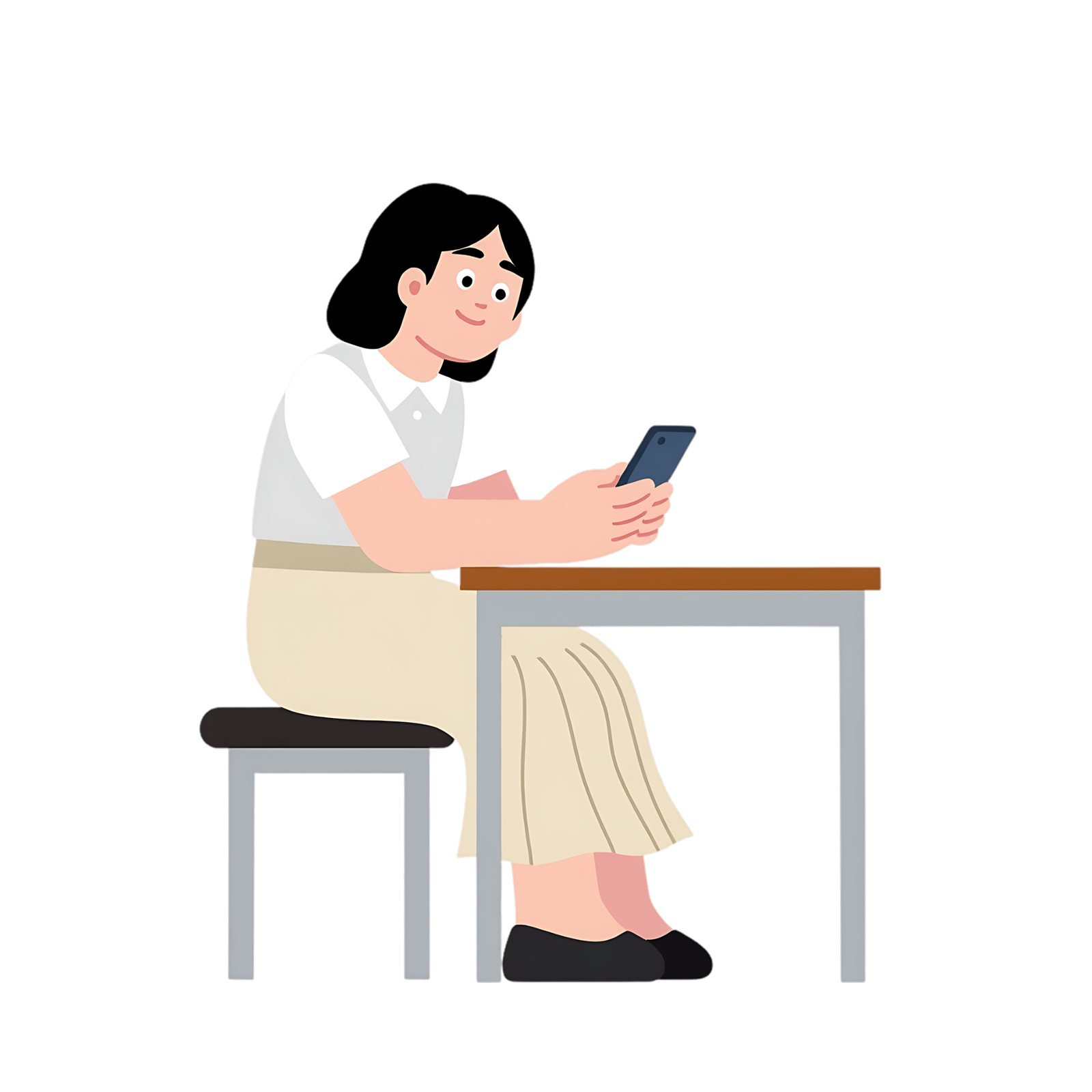
Clear peer support DM boundaries help specialists maintain professionalism while still being warm, supportive, and accessible. Direct messages should feel like a brief hallway conversation — friendly, purposeful, and respectful of time.
When specialists follow clear peer support DM boundaries, it protects both members and specialists. Members receive structured support in live sessions, while specialists maintain healthy work boundaries and avoid burnout.
This guide explains what direct messaging is for, what it isn’t for, and how to gently redirect members when deeper support is needed.
Why Peer Support DM Boundaries Matter
Peer support works best when conversations happen in intentional spaces. Direct messages are not designed for deep emotional processing or crisis support.
Healthy peer support DM boundaries ensure:
- Clear expectations for communication
- Protection of specialist time and energy
- Consistent support experiences for members
- Encouragement of structured support sessions
If you’re new to hosting sessions, you may also want to review our guide on
peer support call structure to strengthen live conversations.
What Direct Messaging Is For
Direct messaging can be helpful for quick, practical communication.
Appropriate uses include:
- Confirming session logistics
- Asking brief clarifying questions
- Inviting focus for the next call
- Warm follow-up messages
DMs should remain short, supportive, and purposeful.
What Direct Messaging Is Not For
Maintaining peer support DM boundaries means recognizing when a conversation belongs in a live session instead.
Direct messages are not appropriate for:
- Providing emotional support or coaching
- Long back-and-forth conversations
- Crisis or heavy mental health topics
- Deep processing conversations
Those conversations deserve the time and care of a structured session.
Response Timing Expectations
Healthy peer support DM boundaries also include response expectations.
Specialists should aim to:
- Respond within 24 hours when possible
- Avoid feeling pressure to reply immediately
- Protect off-hours and personal time
It is completely acceptable to take time before responding. Peer specialists are not expected to be on call.
When a Member Needs Support in DM
Sometimes members will share something emotional in a direct message. In these situations, acknowledge the message while gently redirecting them toward a live session.
Here are supportive responses that maintain peer support DM boundaries:
- “I’d love to talk through this more in a 1-on-1 session together.”
- “Let’s book a live session where we can explore this fully.”
- “I’m here for you — let’s connect in a full session.”
These responses validate the member while encouraging a more supportive environment for the conversation.
If a message includes crisis language or urgent safety concerns, refer to your
peer support safety protocols immediately.
Optional Follow-Ups After a Session
Following up after a session can help reinforce connection, but it is not required.
Examples of brief follow-ups include:
- “Great session today. Thanks for sharing.”
- “If you’d like to talk more, feel free to book another session.”
These messages should stay brief and aligned with peer support DM boundaries.
Remember: follow-ups are optional, not expected.
Final Reminder for Peer Support Specialists
Clear peer support DM boundaries help protect both specialists and members. Direct messages should stay brief, warm, and purposeful.
They are not a substitute for real conversations.
Live sessions provide the space for deeper reflection, support, and connection.
If you ever have questions about messaging norms or communication boundaries, reach out to your ShareWell coordinator for guidance.
Professional boundaries make peer support stronger.
If you are interested in becoming a peer support specialist on ShareWell, apply here.
If you are looking to book a specialist, view specialists here.