
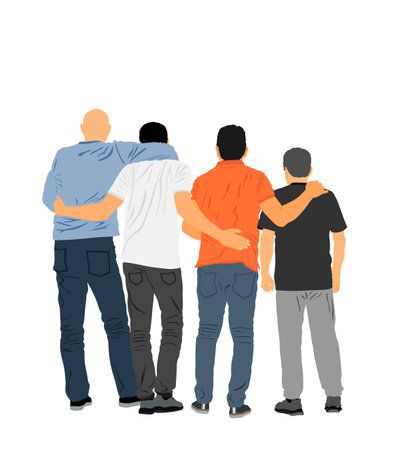
Why Men’s Support Groups Matter
In today’s fast-paced world, men face unique challenges. Balancing work, family responsibilities, and personal well-being can be overwhelming. As a result, many men struggle silently with stress, anxiety, or relationship issues.
Men’s support groups create a safe, non-judgmental space to share experiences and challenges. These groups also break down the harmful stigma that men should always appear strong and self-reliant. By connecting with others who understand, men can gain insights, emotional support, and practical advice. This sense of camaraderie often reduces isolation and improves resilience.
Different Types of Men’s Support Groups
Not all support groups are the same. Depending on your needs, you may find value in one or more of the following:
Mental Health Support Groups
Focused on conditions like depression, anxiety, and PTSD, these groups encourage open conversation about coping strategies and mental wellness.
Grief and Loss Support Groups
For men dealing with the loss of a loved one, these groups provide a space to process grief and find comfort through shared stories.
Addiction Recovery Support Groups
Men battling substance use or addiction can find accountability and encouragement to stay on the path to recovery.
Chronic Illness Support Groups
These groups bring together men living with chronic health issues to discuss both the physical and emotional aspects of their journeys.
Relationship and Family Support Groups
From parenting challenges to marriage struggles, these groups help men navigate family dynamics while receiving empathy and advice from peers.
How to Find the Right Support Group
When exploring support groups, consider these factors:
- Specific Needs: Clarify whether you want help with mental health, recovery, relationships, or another issue.
- Group Size and Interaction: Smaller groups often feel more intimate, while larger ones offer diverse perspectives.
- Facilitation Style: Decide whether you prefer a professionally led group or a peer-led space guided by members.
Moreover, platforms like ShareWell make this process easier. ShareWell specializes in peer support groups tailored to specific needs. It connects men with supportive communities without pressure or judgment.
Taking the First Step
Once you’ve identified a potential group, reach out to learn about meeting structures and expectations. Most groups welcome newcomers and allow you to try a session before committing. If the first one doesn’t feel right, that’s okay—explore other groups until you find a good fit.
Ultimately, joining a support group is a powerful step toward well-being and personal growth. Whether through ShareWell or another organization, finding the right community shows strength and a commitment to mental health. You don’t have to face life’s challenges alone—support is available and waiting for you.
Join a Support Group: sharewellnow.com/online-support-groups
Join an Expert Coaching Group: https://sharewellnow.com/expert-coaching-groups