
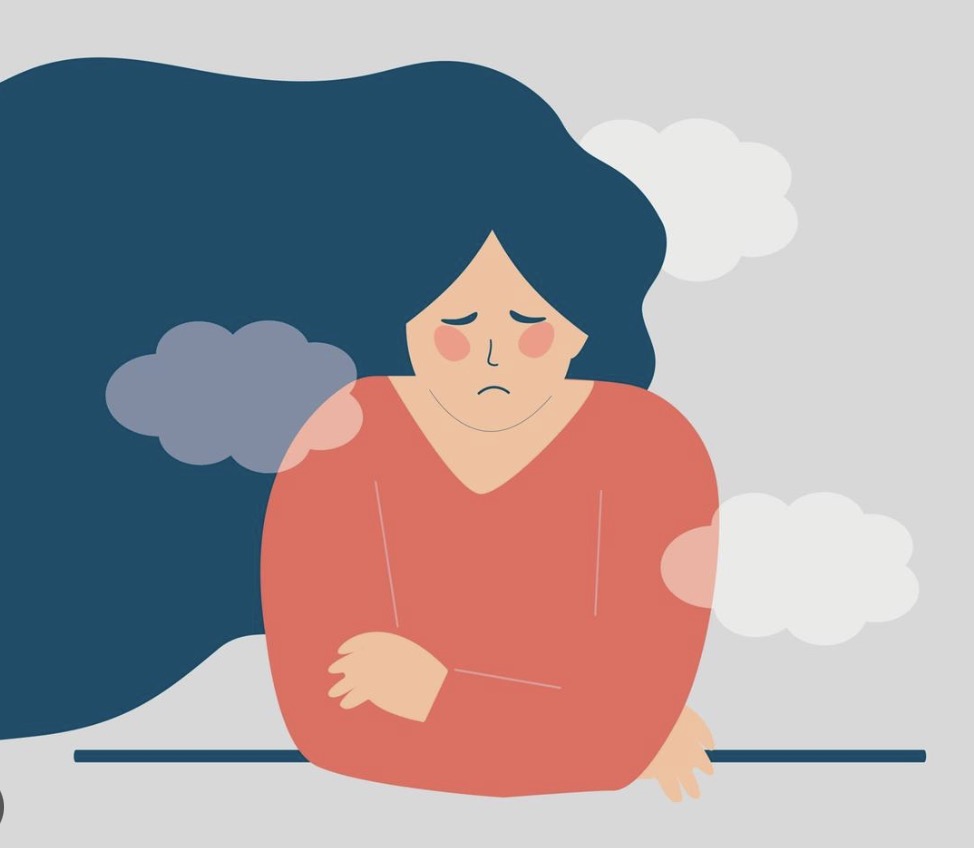
The Devastating Impact of Childhood Abuse on Adult Survivors
Childhood abuse is a pervasive problem that affects millions of people in the United States. According to statistics, approximately one in four women and one in six men have experienced some form of childhood abuse. Childhood abuse takes many forms, including physical, sexual, emotional, and neglectful.
Adult survivors of childhood abuse are individuals who have experienced any type of abuse as a child. These individuals continue to experience the effects of their traumatic experiences into adulthood.
Children who experience trauma may develop mental health issues such as depression, anxiety, and post-traumatic stress disorder (PTSD) that last well into adulthood. The impact of childhood abuse can be devastating and long-lasting.
Adults who have experienced childhood abuse may struggle with trust issues, low self-esteem, difficulty forming attachments with others, and may resort to unhealthy coping mechanisms such as substance use or self-harm. The negative effects can also extend to physical health problems such as chronic pain or autoimmune disorders.
Defining Support for Adult Survivors
Support for adult survivors is defined as any form of intervention or assistance aimed at helping these individuals overcome the effects of their traumatic experiences. Support can take many forms and can include counseling or therapy services from trained professionals; peer support groups led by other survivors; advocacy services to help survivors navigate legal systems; community outreach programs; educational programs aimed at increasing awareness about the prevalence and impact of childhood abuse. The goal of support is to help adult survivors heal from their trauma so that they can lead happy and fulfilling lives free from the negative impact caused by their past experiences.
The Importance of Support for Adult Survivors
When it comes to overcoming the lasting impact caused by childhood abuse, support is crucial. Without appropriate intervention or assistance, individuals may continue to suffer from the negative effects of their trauma well into adulthood. Studies have shown that support services can be highly effective in improving mental health outcomes for adult survivors.
Individuals who receive support from trained professionals or participate in peer-led support groups report a significant reduction in symptoms of depression, anxiety, and PTSD. Additionally, individuals who receive adequate support are more likely to develop healthy coping mechanisms and are less likely to engage in self-destructive behaviors.
The importance of support for adult survivors cannot be overstated. It is essential that individuals who have experienced childhood abuse seek out appropriate forms of assistance so that they can begin the healing process and move forward with their lives.
Types of Support for Adult Survivors
Therapy and Counseling
One of the most common types of support for adult survivors of childhood abuse is therapy or counseling, which can provide a safe and supportive environment to process trauma, address current mental health concerns, and develop coping strategies. There are various types of therapy approaches that may be helpful for adult survivors, including psychodynamic therapy, cognitive-behavioral therapy (CBT), and trauma-focused therapy.
Trauma-Focused Therapy
Trauma-focused therapy is a type of treatment that specifically addresses the effects of trauma on an individual’s mental health. This type of therapy may involve methods such as eye movement desensitization and reprocessing (EMDR), which uses rapid eye movements to help individuals process traumatic memories; or prolonged exposure therapy, which involves gradually facing feared situations or memories in order to reduce anxiety.
Cognitive-Behavioral Therapy
CBT is a type of talk therapy that focuses on changing negative patterns of thinking and behavior in order to improve emotional regulation. For adult survivors, CBT may be useful in addressing issues such as low self-esteem, anxiety, depression, and post-traumatic stress disorder (PTSD).
Group Therapy
Group therapy provides a supportive environment where individuals can share their experiences with others who have gone through similar issues. This type of support can help validate feelings and experiences while offering a sense of community and belonging.
Self-Help Groups
Self-help groups are peer-led groups designed to provide support for individuals dealing with specific issues like addiction or trauma. These groups offer a safe space for people to share their experiences with others who understand what they’re going through.
12-Step Programs
Twelve-step programs like Alcoholics Anonymous or Narcotics Anonymous provide a structured approach to recovery through working the 12-steps. These programs offer a supportive community of individuals who share similar struggles and can provide guidance and support through the recovery process.
Survivor-Led Support Groups
Survivor-led support groups are led by individuals who have experienced childhood abuse themselves. These groups offer a unique perspective as they are led by people who have gone through similar experiences, and they may focus on specific issues related to childhood abuse, such as trust, boundaries, or relationships.
Advocacy and Legal Support
For adult survivors who want to report their abuse or seek justice through legal means, advocacy and legal support may be particularly helpful. Advocates can provide emotional support and guidance throughout the reporting process, while lawyers can help survivors navigate the legal system. Additionally, organizations like RAINN (Rape Abuse & Incest National Network) provide both resources for reporting abuse and access to counseling services for survivors.
The Benefits of Support for Adult Survivors
Healing from Trauma and Emotional Pain
One of the most significant benefits of support for adult survivors is the opportunity to heal from the trauma and emotional pain they experienced in childhood. Childhood abuse can lead to a range of psychological and emotional problems, including depression, anxiety, PTSD, substance abuse, and self-harm.
These issues can continue into adulthood without proper treatment. Through therapy and other supportive interventions, adult survivors can learn coping skills to manage their symptoms and work through their trauma.
They can explore their emotions in a safe space with a trained professional who understands the impact of childhood abuse. Healing from trauma involves acknowledging the past hurts while developing new ways to cope with daily stressors.
Improved Mental Health Outcomes
Seeking support as an adult survivor of childhood abuse has been shown to improve mental health outcomes significantly. It is crucial as adults that we take care of our mental health just as we do our physical health. Childhood abuse leaves an indelible mark on our psyche that often means that childhood survivors need additional support in managing everyday life.
Studies have demonstrated that therapy can reduce symptoms associated with post-traumatic stress disorder (PTSD), depression, anxiety disorders, eating disorders – all outcomes common among survivors of childhood abuse. The benefits extend beyond healing; individuals report greater satisfaction with life overall.
Increased Sense of Empowerment and Control over Life
Childhood survivors may feel like they are powerless against what happened to them during their early years. They may struggle with feelings of shame or guilt that result from being abused by someone they trusted or loved at such a vulnerable age.
Through counseling or group therapy sessions designed specifically for adult survivors, individuals are provided a platform to explore these feelings safely while regaining control over their lives through practical coping strategies tailored for them. They can begin to take control of their thoughts and emotions, leading to a better sense of control over their lives.
Improved Relationships with Others
Childhood abuse creates significant barriers for survivors when it comes to forming healthy relationships with others. The trauma experienced in childhood can lead to interpersonal difficulties, trust issues, and a fear of being vulnerable. Through support groups or individual therapy sessions, adult survivors can learn new communication skills that improve relationships.
They can work on building trust and open communication channels that allow them to form connections with others successfully. Additionally, as they heal from childhood abuse through therapy, they may find that the positive benefits extend beyond themselves: they also see improvements in their relationship with spouses or partners, children, colleagues and friends.
Overall, support for adult survivors is crucial. Through therapy and other supportive interventions tailored specifically for individuals who experienced childhood abuse, survivors have the opportunity to overcome trauma’s far-reaching effects and live full lives free from lingering pain.
Challenges in Providing Support for Adult Survivors
Stigma Surrounding Childhood Abuse and Mental Health Issues
One of the major challenges in providing support for adult survivors of childhood abuse is the stigma surrounding both childhood abuse and mental health issues. Many people still hold misconceptions about the causes and effects of childhood abuse, and may view survivors as weak, damaged, or unstable.
This can make it difficult for survivors to feel comfortable seeking help or disclosing their experiences to others. The stigma surrounding mental health issues can compound this problem, making it even more challenging for survivors to access effective treatment and support.
Some individuals may be hesitant to seek therapy or counseling due to fears about being labeled with a mental health diagnosis or concerns about confidentiality. As a society, we must work to break down these stigmas by raising awareness about childhood abuse and its long-term effects on survivors, as well as promoting understanding and empathy towards those who have experienced trauma.
Lack of Resources, Funding, and Trained Professionals
Another significant challenge in providing support for adult survivors is the lack of resources, funding, and trained professionals available. According to the National Child Traumatic Stress Network (NCTSN), there is a shortage of qualified therapists trained in trauma-focused therapies that are specifically designed to address the needs of adult survivors.
In addition, many community-based organizations that provide support services may be underfunded or understaffed, making it difficult for them to meet the demand for services. To address this challenge, greater investment is needed in resources such as training programs for providers as well as increased funding for community-based organizations that provide support services.
Difficulty Accessing Services Due to Geographic Location or Financial Constraints
Many adult survivors may face barriers in accessing support services due to geographic location or financial constraints. Those living in rural areas may have limited access to mental health services, and even those living in urban areas may struggle to access services due to long waitlists or high costs.
This can be especially challenging for individuals who do not have health insurance or other financial resources to pay for therapy or counseling. Some survivors may also face additional barriers, such as language barriers or discrimination based on race, ethnicity, gender identity, or sexual orientation.
To address these challenges, it is important to promote policies and programs that increase access to mental health services for all individuals regardless of location or financial resources. This could include initiatives such as teletherapy programs that provide remote counseling services as well as increased funding for community-based organizations that provide support services free of charge.
Conclusion: The Need for Continued Support for Adult Survivors.
Adult survivors of childhood abuse require ongoing support to help them heal from the trauma they experienced. The impact of childhood abuse can last a lifetime, and survivors may experience a range of mental health problems, including anxiety, depression, and PTSD.
Without support, these individuals may struggle to lead fulfilling lives and form healthy relationships with others. Therefore, it is crucial that we continue to raise awareness about the prevalence and impact of childhood abuse and provide appropriate resources for adult survivors.
Importance of raising awareness about the prevalence and impact of childhood abuse.
One of the most important steps in supporting adult survivors is raising awareness about the prevalence and impact of childhood abuse. Many people are unaware of just how common this issue is, or how deeply it can affect an individual’s mental health later in life.
By educating the public on these topics, we can help reduce stigma surrounding childhood trauma while also increasing understanding about what it means to be an adult survivor. Raising awareness can also help encourage more funding for research into effective treatments for adult survivors.
As more attention is paid to this issue, it becomes clear that there is a pressing need for better resources to be made available to those who have survived abuse as children. By drawing attention to this problem and demanding action from lawmakers at all levels of government, we can work together towards creating a brighter future for those impacted by this issue.
Need for increased funding, resources, and trained professionals
While there are many organizations working tirelessly to support adult survivors of child abuse around the world, there remains a significant need for increased funding and resources in order to provide adequate support services. This includes everything from therapy programs that focus specifically on trauma recovery to legal advocacy services aimed at helping victims prosecute their abusers. In addition to funding challenges are resource constraints such as location or financial barriers.
Many individuals may not have the resources to travel long distances for therapy or pay out of pocket for support services. This is why it is important that more resources are made available to those who need them, regardless of their financial status or geographic location.
In order to provide effective support to adult survivors, it is essential that there be enough properly trained professionals equipped with the knowledge and tools necessary to help these individuals overcome their trauma. By investing in education and training programs aimed at supporting adult survivors of child abuse, we can ensure that there are enough qualified professionals available to meet the needs of those who require assistance.
By raising awareness about childhood abuse and increasing funding and resources for adult survivors, we can make a real difference in the lives of countless individuals around the world. Despite the challenges that lie ahead, there is reason for optimism as more people recognize this pressing social issue and work towards creating a safer, healthier future for all.
If you or somebody you know are looking for support, please visit sharewellnow.com/topic/npd_&_emotional_abuse to register for a session today. If at any point, you have any questions about ShareWell, please let us know. We will see you in a session soon.
Join a session: https://sharewellnow.com/sessions
Questions? Reach out to: support@sharewellnow.com
Leave a Reply