
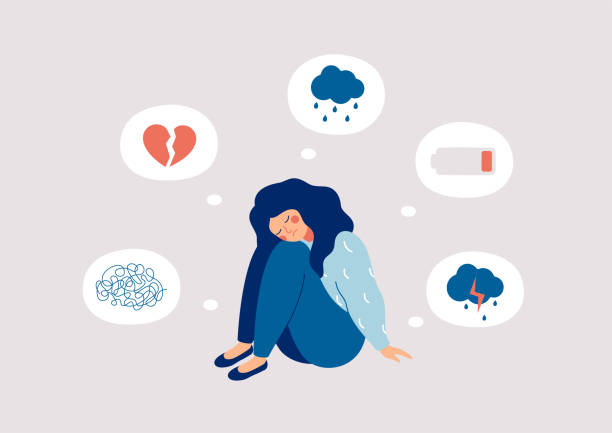
The Power of Connection: Understanding Online Emotional Abuse Support Groups
Emotional abuse is a devastating form of abuse that can leave long-lasting effects on its victims. It can take many forms, including insults, verbal attacks, belittlement, and manipulation.
Unlike physical abuse, emotional abuse is often hidden and insidious in nature, leading to feelings of isolation and helplessness for those affected. Thankfully, there are resources available to help survivors of emotional abuse cope with their experiences and heal from the trauma.
One such resource is online emotional abuse support groups. These groups offer a space for survivors to connect with others who have experienced similar forms of abuse and find the support they need to move forward in their healing journey.
Defining Online Emotional Abuse Support Groups
An online emotional abuse support group is a virtual community where survivors of emotional abuse can come together to share their experiences, offer support to one another, and access resources for healing. Members participate in group discussions, share stories about their experiences with emotional abuse, and engage in various therapeutic activities that aid in recovery.
Unlike traditional in-person support groups that require members to attend meetings at a physical location on set days or times throughout the week or month, online emotional support groups are accessible 24/7 from anywhere with an internet connection. This makes it easier for individuals who may be limited by scheduling conflicts or geographic barriers to access the help they need.
The Importance of Joining an Emotional Abuse Support Group
One of the most powerful benefits offered by online emotional abuse support groups is the ability for members to connect with others who have shared similar experiences. For many victims of emotional abuse, feelings of shame and self-blame are common because abusers often manipulate them into believing that they are responsible for their own mistreatment. Being a part of a supportive community that understands and validates these experiences can help survivors to feel less alone and more empowered.
Additionally, emotional abuse support groups can provide members with access to valuable resources such as mental health professionals, self-help articles, and other supportive materials. This can be especially helpful for those who may not have access to such resources in their personal lives either due to lack of insurance or financial barriers.
The Purpose of this Outline
The purpose of this outline is to provide a comprehensive overview of online emotional abuse support groups, including their definition, importance, and benefits for survivors. It will also discuss how to find an online support group that best fits your needs and what to expect when participating in one. By the end of this article, readers will have a better understanding of what online emotional abuse support groups are and how they can be a powerful tool for healing from emotional abuse.
Overview of Emotional Abuse
Emotional abuse is a form of abuse that involves the use of verbal and emotional tactics to control, belittle, isolate, intimidate, or manipulate a person. Unlike physical abuse, emotional abuse may be harder to detect because it often occurs behind closed doors. Emotional abuse can happen in any type of relationship – romantic partner relationships, family relationships, and friendships.
Definition and Types of Emotional Abuse
Emotional abuse can take many forms. It can include: – Verbal attacks: verbal assaults such as constant criticism or name-calling.
- Manipulation: manipulation tactics such as gaslighting (making someone question their own reality) or using guilt as a means of control. – Isolation: preventing someone from seeing friends or family members.
- Intimidation: using threats to make someone feel afraid. – Neglect: withholding affection or support.
Characteristics and Effects of Emotional Abuse
One characteristic of emotional abuse is that it often happens gradually over time. The abuser may start with small comments that seem harmless but then escalate to more hurtful comments over time. Emotional abuse can cause long-lasting effects on the victim’s mental health and well-being.
The effects of emotional abuse may include depression, anxiety, low self-esteem, shame, guilt, difficulty trusting others or forming close relationships with others due to feelings like they don’t deserve love or affection. Victims may also experience physical symptoms such as headaches and stomachaches due to stress.
Signs and Symptoms of Emotional Abuse
It’s important to recognize the signs and symptoms of emotional abuse so victims can seek help. Some common signs include constant criticism from the abuser towards the victim; feeling like you’re walking on eggshells around your partner; feeling afraid to express your opinions; experiencing extreme mood swings when around your partner; having your self-esteem and confidence constantly shattered by the abuser. Victims of emotional abuse may also feel like they have no control over their own lives and are always at the whim of the abuser.
They may experience a loss of interest in hobbies or activities they once enjoyed and feel disconnected from loved ones. If you or someone you know is experiencing any of these signs, it might be time to seek help.
Benefits of Joining an Online Support Group for Emotional Abuse Survivors
Connection with Others who have Similar Experiences
One of the most significant benefits of joining an online emotional abuse support group is gaining a sense of connection with others who have similar experiences. Emotional abuse can make individuals feel isolated, and it can be challenging to share what they are going through with their friends and family.
An online support group provides a safe place for survivors to connect with others who understand what they are going through. When individuals join an online emotional abuse support group, they gain access to a community where people share their stories, offer encouragement, and provide validation.
They can talk about their experiences without the fear of being judged or misunderstood. Through these connections, survivors feel less alone in their journey towards healing.
Safe Space to Share Experiences and Feelings
Another significant benefit of joining an online emotional abuse support group is having a safe space to share experiences and feelings. Emotional abuse can be difficult to deal with on an individual level because victims often internalize the blame or shame themselves for what happened to them. In a support group setting, individuals have the opportunity to share their experiences without fear of judgment.
Through sharing stories, discussing emotions, and receiving feedback from others within the group, survivors gain insight into their own struggles while also offering assistance to those in similar situations. This process creates a sense of ownership over one’s healing journey while also providing encouragement from others who have been through similar situations.
Access to Professional Help and Resources
Joining an online emotional abuse support group provides access to professional help and resources. Many groups are facilitated by licensed therapists or counselors who provide guidance as well as helpful coping strategies tailored specifically for each person’s unique situation. Being part of such groups also exposes survivors to resources that they might not have known about otherwise.
For example, members may share information about local therapists or support groups that they have found helpful, or suggest books, podcasts, or websites that offer valuable insights into emotional abuse. Joining an online emotional abuse support group provides numerous benefits to those who are dealing with emotional abuse.
These benefits include gaining a sense of connection with others who have similar experiences, having a safe space to share experiences and feelings and access to professional help and resources. All these benefits can create an environment where survivors feel less alone in their journey towards healing while gaining the support necessary for overcoming the effects of emotional abuse.
How to Find an Online Emotional Abuse Support Group
Researching Different Groups
When looking for an online emotional abuse support group, it’s important to do your research and find a group that is reputable and suits your needs. A good starting point is to check with your local or national domestic violence organizations. They may have resources or referrals for online support groups specifically for emotional abuse survivors.
Another option is to search for support groups on online directories such as Psychology Today or Good Therapy. These directories allow you to search based on specific criteria, including the type of support group you’re looking for, location, and even the types of therapy offered.
It’s also important to read reviews and testimonials from other members who have had experience with the group. Look for feedback on the group’s effectiveness in helping members cope with emotional abuse and how supportive the community is as a whole.
Choosing the Right Group for You
When choosing an online emotional abuse support group, consider what you are looking for in a community. Do you prefer a more structured approach with scheduled meetings and specific topics of discussion?
Or do you prefer a more fluid environment where members can share their experiences freely? Another important factor when choosing a support group is confidentiality.
Make sure that the group has proper privacy measures in place so that your personal information remains secure. It’s also important to consider any additional services provided by the support group, such as access to mental health professionals or resources related to emotional abuse recovery outside of regular meetings.
Joining a Group and Participating
Once you’ve found an online emotional abuse support group that suits your needs, joining is typically easy. Most groups will have instructions on their website or social media pages detailing how to join their community.
When participating in the group, it’s important to be respectful of other members’ experiences and feelings. Avoid judgment and offer support and encouragement to others in the group.
It’s also important to actively participate in the group by sharing your own experiences and offering support to other members. This can help you feel more connected to the community and gain valuable insights from others who have gone through similar experiences.
Overall, finding the right online emotional abuse support group can be a valuable resource in coping with emotional abuse. By doing your research, choosing a supportive community, and actively participating, you can find a safe space to heal and grow from your experiences.
What to Expect in an Online Emotional Abuse Support Group
Joining an online emotional abuse support group can be a daunting experience, especially for those who are new to the concept of support groups. However, the experience can be empowering and transformative.
You’ll gain insights that you may not have considered before and realize that you’re not alone in your struggles. Online emotional abuse support groups offer a structured environment where survivors can share their experiences and learn from others.
The meetings are usually facilitated by trained professionals or experienced individuals who ensure that each participant is heard and supported. In this section, we’ll explore what to expect from an online emotional abuse support group in terms of structure, format, confidentiality, safety measures, and supportive environment.
Structure and Format of Meetings
The structure of online emotional abuse support groups is designed to be safe, supportive and non-judgmental. Most groups meet weekly or bi-weekly at a specific time via video conferencing software like Zoom or Skype. Some groups may have a set agenda while others may opt for an open discussion format depending on the needs of the members.
The meetings typically begin with introductions followed by a check-in where each member gets to share how they’re feeling that day/week. Following this, participants discuss specific topics related to emotional abuse such as coping strategies or self-care techniques.
Confidentiality and Safety Measures
Confidentiality is of paramount importance in online emotional abuse support groups. Members are required to sign a confidentiality agreement which states that any information shared during group meetings is confidential unless it poses harm or threat to either the member or another person.
The facilitator ensures that all members adhere strictly to these guidelines. Safety measures are also implemented in these groups to ensure the well-being of members.
For instance, participants are not allowed to share personal information like phone numbers or addresses. In addition, the facilitator maintains order in the group by monitoring conversations for any inappropriate behavior or language.
Supportive Environment
Online emotional abuse support groups create a nurturing and safe environment where members can connect with others who have similar experiences. This sense of community helps to reduce feelings of isolation and loneliness that often accompany emotional abuse. The supportive environment is created through active listening, empathy, and respect for each individual’s experiences.
Members are encouraged to express themselves freely without fear of judgment or criticism. Online emotional abuse support groups offer a structured, confidential, and supportive environment where survivors can connect with others who understand their experiences and learn coping strategies from professionals.
The structure of the meetings is designed to be safe and non-judgmental while confidentiality measures ensure that members feel secure in sharing their stories. The supportive environment creates a sense of community that reduces feelings of isolation and loneliness.
Types of Activities in an Online Emotional Abuse Support Group
Group Discussions on Specific Topics Related to Emotional Abuses
One of the primary purposes of an online emotional abuse support group is to provide a safe space for survivors to discuss their experiences and feelings. Group discussions can be structured around specific topics related to emotional abuse, such as gaslighting, narcissistic abuse, or toxic relationships.
These discussions can be facilitated by a moderator who ensures that everyone has an opportunity to share their thoughts and feelings. During group discussions, survivors can learn from each other’s experiences and gain insight into their own situations.
They may also find comfort in knowing that they are not alone in their struggles. It is important for the group discussions to be respectful and supportive so that everyone feels comfortable sharing.
Guided Meditations, Mindfulness Exercises, Yoga etc.
Emotional abuse can have a significant impact on a person’s mental health. To help survivors cope with the effects of emotional abuse, many online support groups offer guided meditations, mindfulness exercises, yoga sessions or other forms of relaxation techniques as part of their activities.
These practices can help survivors calm their minds and reduce stress levels. Guided meditations and mindfulness exercises are typically led by a trained facilitator who provides step-by-step instructions on how to focus on breathing or visualizations that promotes relaxation.
Yoga sessions allow survivors to stretch and move while focusing on breathing exercises. All these activities provide different pathways for people experiencing emotional abuse to regain control over their emotions gradually.
Guest Speakers from Professionals in the Field
Some online emotional abuse support groups invite guest speakers who are professionals in the field of psychology or advocacy work related to domestic violence or mental health issues affecting victims/survivors of emotional abuses This gesture allows members of the group access valuable resources and expertise about topics relevant to them directly from the professionals in the field. Guest speakers can provide information on how to recognize emotional abuse symptoms and how to seek help, or share their experiences working with survivors of emotional abuse. This provides an excellent opportunity for members of the group to learn more about the broader context of emotional abuse, and also find resources they might not have access before.
Closing Thoughts on the Importance of Seeking Help for Victims/Survivors Of emotional abuse
The Role of Emotional Abuse Support Group in Recovery Process
The recovery process for those who have experienced emotional abuse can be difficult and complex. It can be easy to feel isolated, ashamed, and alone during this time. However, seeking help and support is crucial to healing from the trauma.
One effective way to achieve this is by joining an online emotional abuse support group. These groups serve as a safe space where individuals can share their experiences, feelings, and thoughts with people who understand what they are going through.
Members of these groups offer each other support, understanding, and encouragement in their journeys towards healing. Furthermore, professional help is available within the group settings which makes it easier for victims/survivors to navigate the recovery process.
Breaking the Silence: Encouraging Others to Speak Out
A major challenge that many victims/survivors face after experiencing emotional abuse is breaking the silence. Feelings of shame, guilt or fear often stop them from speaking out about their experiences or seeking help. However, it’s important that we encourage them to speak up about their struggles so they can get the support they need.
Online emotional abuse support groups provide a platform where individuals can break their silence while remaining anonymous if they choose to do so. By sharing their stories with others in similar situations within a safe space created by such groups victims/survivors not only find solace but also work towards breaking stereotypes around being strong-willed or weak.
Moving Forward: Hope & Healing
Emotional abuse leaves deep scars that may take time to heal completely. However, joining an online emotional abuse support group provides much-needed assurance that there are people who understand what you’re going through and are willing to offer guidance and hope towards healing. Seeking help and joining support groups is a sign of strength, not weakness.
Moving forward, it’s important to prioritize self-care, self-love and surround ourselves with people who uplift us. With the help of professional support, an online support group can be a lifeline in the journey towards hope and healing.
If you or somebody you know are looking for support, please visit sharewellnow.com/topic/npd_&_emotional_abuse to register for a session today. If at any point, you have any questions about ShareWell, please let us know. We will see you in a session soon.
Join a Support Group: sharewellnow.com/online-support-groups
Join an Expert Coaching Group: https://sharewellnow.com/expert-coaching-groups
Leave a Reply