
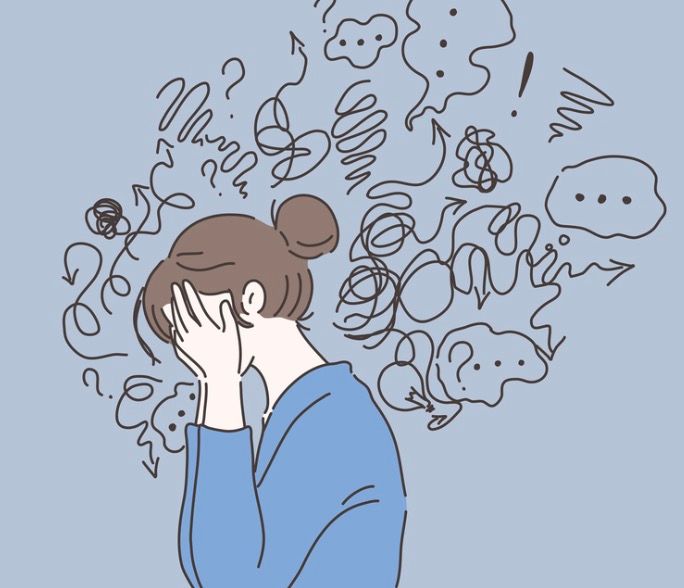
Emotional abuse is a form of abuse that can be difficult to spot. It often manifests as manipulation, control, and intimidation, leaving deep emotional scars. Though less visible than physical abuse, its effects can be equally damaging. Understanding the signs of emotional abuse is crucial to recognizing it and seeking help.
Types of Emotional Abuse
1. Constant Criticism
Abusive partners often criticize your appearance, work, friends, or family. They may make you feel like you can never do anything right and that you are never good enough.
2. Insults and Name-Calling
Verbal attacks are common in emotional abuse. Your partner may belittle you, call you hurtful names, and make you feel worthless.
3. Controlling Behavior
Abusers may try to control your social life, finances, clothing, or daily routines. This can also include controlling access to phones, computers, and social media accounts.
4. Isolation
Emotional abusers often isolate you from friends and family, discouraging or forbidding time spent with loved ones.
5. Gaslighting
Gaslighting is a form of manipulation where your partner makes you doubt your memories, perceptions, and sanity. They may deny things they’ve said or done, leaving you confused and anxious.
6. Threats and Intimidation
Threats—either physical or emotional—are common. Your partner may threaten to harm you or your loved ones or leave you if you don’t comply with their demands.
7. Extreme Jealousy
Possessiveness and jealousy can escalate into accusations of flirting or cheating and controlling behavior when you interact with others.
8. Blaming
Abusive partners often blame you for their mistakes, problems, or negative emotions, making you feel responsible for everything that goes wrong.
9. Emotional Blackmail
Emotional blackmail uses your feelings against you. Abusers may threaten self-harm, suicide, or abandonment to control you.
10. Abusive Language
Yelling, cursing, and hurtful words are common tools of intimidation and manipulation in emotional abuse.
Emotional Abuse Can Happen in Any Relationship
It’s important to note that emotional abuse isn’t limited to romantic relationships. It can occur in friendships, workplaces, and families. Anyone, regardless of gender, age, sexual orientation, or socioeconomic status, can experience emotional abuse.
How to Get Help
If you recognize these signs in your relationship, reach out for support. ShareWell offers peer support groups and resources to help you navigate leaving an abusive relationship safely. Remember, you are not alone.
Taking action early can prevent long-term emotional scars. You deserve a healthy, loving relationship, and it’s never too late to make a change.